
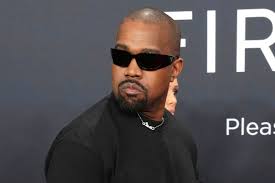
UK Govt Bars Kanye West, Festival Cancelled
UK Govt Bars Kanye West as authorities deny the controversial rapper entry into the country, triggering the cancellation of a major London music event he was scheduled to headline. The decision follows mounting backlash over his past antisemitic remarks and growing pressure from political leaders, sponsors, and advocacy groups.
The UK government reportedly rejected Kanye West’s visa application on the grounds that his presence would not be “conducive to the public good.” The rapper, also known as Ye, had applied to travel to Britain ahead of his planned performances at the Wireless Festival, where he was booked to headline all three nights in July. However, the decision effectively halted his return to the UK stage and forced organisers to cancel the event entirely.
Festival organisers confirmed the development in a public statement, saying the cancellation was unavoidable following the government’s action. They assured ticket holders that full refunds would be issued automatically, noting that tickets had only recently gone on sale. The swift cancellation underscores the scale of the controversy surrounding West’s planned appearance.
The UK Govt Bars Kanye West decision comes after a wave of sponsor withdrawals that intensified pressure on organisers. Major global brands, including Pepsi and Diageo, pulled out of the event over the weekend, citing concerns linked to the rapper’s past statements and public image. Their exit significantly undermined the festival’s commercial viability and contributed to the eventual cancellation.
Prime Minister Keir Starmer had earlier described West’s booking as “deeply concerning,” and welcomed the government’s decisive action. Reacting to the development, Starmer stated that the rapper “should never have been invited to headline” the festival, reaffirming the government’s commitment to tackling antisemitism.
“This government stands firmly with the Jewish community, and we will not stop in our fight to confront and defeat the poison of antisemitism,” Starmer said. His comments reflect a broader political stance aimed at addressing hate speech and ensuring that public events align with national values of inclusion and respect.
The UK Govt Bars Kanye West move also follows years of controversy surrounding the rapper’s public statements and actions. West has faced widespread criticism for making antisemitic remarks and expressing admiration for Adolf Hitler. In 2025, he released a song titled “Heil Hitler,” which was subsequently banned by major streaming platforms, further fueling outrage and calls for accountability.
Despite the backlash, West had recently attempted to mend relations by offering to meet members of the British Jewish community. In a public statement, he expressed regret for his past actions and said his goal was to promote unity, peace, and love through his music. However, critics remained unconvinced, with many insisting that actions, rather than words, would determine the sincerity of his apology.
Phil Rosenberg, president of the Board of Deputies of British Jews, welcomed the government’s intervention but noted that the issue could have been addressed earlier. He emphasized that music festivals should be inclusive spaces where all communities feel safe and respected, rather than platforms for controversial figures with a history of offensive conduct.
The decision has also sparked debate about freedom of expression and the limits of government intervention. Nigel Farage, leader of the Reform UK party, criticized the move, warning that banning individuals based on their views could set a dangerous precedent. While condemning West’s past comments as “vile,” Farage argued that restricting entry on such grounds raises broader concerns about free speech.
Public opinion remains divided. Some residents near Finsbury Park, where the festival was to take place, expressed support for the government’s decision, citing the need to uphold social values. Others suggested the situation may have been overblown, pointing to the complexities surrounding West’s mental health and public persona.
The UK Govt Bars Kanye West development highlights the growing intersection between entertainment, politics, and social responsibility. It raises important questions about how governments, event organisers, and sponsors respond to controversial figures in an era where public accountability is increasingly demanded.
For the music industry, the episode serves as a cautionary tale about the risks of associating with polarizing artists. Sponsors, in particular, are becoming more sensitive to reputational risks, and their decisions can significantly impact the viability of major events. The withdrawal of key partners in this case played a crucial role in shaping the outcome.
Ultimately, the cancellation of the festival marks a significant moment in the ongoing debate over accountability and artistic freedom. While some view the decision as a necessary stand against hate speech, others see it as a step toward increased regulation of expression. As discussions continue, the UK Govt Bars Kanye West case is likely to remain a reference point in conversations about culture, politics, and the responsibilities of public figures.