NNPC Confirms Full Operation and Product Loading at Port Harcourt Refinery
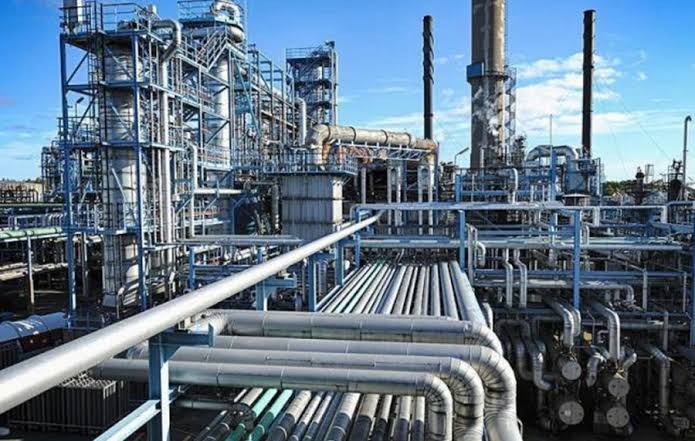
The Nigerian National Petroleum Corporation (NNPC) has announced that the Port Harcourt Refinery is now fully operational, with loading activities in progress. This development comes as part of the federal government’s commitment to enhancing local refining capacity and reducing dependency on imported petroleum products.
Port Harcourt Refinery Back in Action
Located in Rivers State, the Port Harcourt Refinery has long been a critical component of Nigeria’s oil and gas infrastructure. The refinery’s reactivation is a significant step toward achieving energy self-sufficiency. The NNPC confirmed in a recent statement that the facility is running at full capacity, ensuring steady product supply to meet market demands.
The NNPC’s spokesperson stated, “The Port Harcourt Refinery is fully operational, and loading activities are ongoing as planned. We remain committed to providing Nigerians with quality petroleum products while reducing the financial burden of importation.”
Importance of the Refinery’s Operation
The resumption of operations at the Port Harcourt Refinery marks a turning point in Nigeria’s efforts to strengthen its downstream petroleum sector. As one of the largest refineries in Africa, the facility has a capacity of 210,000 barrels per day (bpd). However, due to years of underperformance and maintenance challenges, the refinery had been non-operational for an extended period.
With its reactivation, the NNPC aims to:
- Reduce Fuel Importation: By boosting local refining, Nigeria can cut down on the importation of refined petroleum products, thereby conserving foreign exchange.
- Enhance Product Availability: The refinery’s output is expected to ease fuel shortages and stabilize the market.
- Support Economic Growth: Increased refining activities will create jobs, stimulate local economies, and provide a reliable energy supply for industrial operations.
Government’s Commitment to Refinery Revamp
The Port Harcourt Refinery’s operational status aligns with the government’s broader energy reform agenda. In recent years, the federal government has invested heavily in refurbishing the country’s refineries, with the Port Harcourt Refinery undergoing extensive repairs and upgrades to ensure optimal performance.
This initiative is part of President Bola Tinubu’s energy roadmap, which emphasizes domestic refining, sustainable energy practices, and economic diversification. The government’s goal is to make Nigeria a net exporter of petroleum products by fully utilizing its refining capacity.
Public Response and Industry Impact
The announcement has been met with optimism from industry stakeholders and the general public. Experts believe that the refinery’s functionality will bring relief to Nigerians who have faced rising fuel costs due to dependency on imports. Additionally, the reduction in import reliance could positively impact the country’s balance of trade.
Looking Ahead
As the Port Harcourt Refinery resumes full operations, all eyes are on its ability to maintain consistent output and meet the nation’s energy demands. The NNPC has assured Nigerians of its commitment to transparency and efficiency in managing the refinery’s operations.
Source
For more information, visit NNPC’s official website and recent reports from credible news outlets like Vanguard Nigeria and Punch News.