
Nigeria’s Economic Growth: FG Seeks $20bn to Achieve 7% GDP
The Federal Government is actively pursuing $20 billion in investments to accelerate Nigeria’s economic growth and achieve a 7% GDP growth target. According to the Minister of Finance and Coordinating Minister for the Economy, Mr. Wale Edun, these funds are crucial to implementing reforms that will unlock Nigeria’s vast economic potential.
Nigeria’s Current Economic Landscape
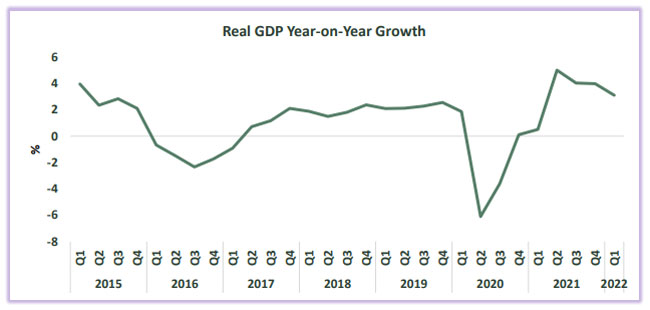
Nigeria’s economy has faced several challenges, including high inflation, a weak naira, and sluggish GDP growth. The latest data from the National Bureau of Statistics (NBS) reveals that the economy grew by 2.51% in the second quarter of 2023, falling short of projections. To counter this, the government has set ambitious goals to revitalize the economy through structural reforms and targeted investments.
Why $20 Billion Is Crucial for Economic Growth
Minister Wale Edun highlighted that attracting $20 billion in investments is central to the government’s strategy for Nigeria’s economic growth. These funds are expected to focus on key sectors, including:
- Infrastructure Development: Investments in roads, railways, and ports to boost trade and reduce logistical costs.
- Energy Sector: Expanding renewable energy projects and improving electricity supply to power businesses and homes.
- Agriculture: Enhancing productivity through modern farming techniques and value-added processing.
- Technology and Innovation: Encouraging startups and digital transformation to drive job creation and economic diversification.
These sectors have been identified as critical to fostering a sustainable and inclusive growth trajectory for Nigeria.
Government Policies to Attract Investments
To secure the $20 billion investment target, the government has introduced several measures to create an enabling environment for investors. Key initiatives include:
- Tax Reforms: Streamlining tax policies to encourage foreign direct investment (FDI).
- Public-Private Partnerships (PPP): Promoting collaborations to fund large-scale infrastructure projects.
- Ease of Doing Business: Simplifying business registration and reducing bureaucratic bottlenecks.
- Monetary Policy Adjustments: Stabilizing the naira to attract foreign investors and boost confidence in the market.
Global Perspectives on Nigeria’s Economic Potential
International financial institutions like the World Bank and International Monetary Fund (IMF) have acknowledged Nigeria’s potential for economic growth. However, they emphasize the need for structural reforms, especially in the areas of governance, corruption, and transparency. The proposed $20 billion investment aligns with these recommendations, focusing on sustainable development and poverty reduction.
Public Reaction and Economic Experts’ Opinions
Economic analysts have lauded the government’s proactive approach to achieving Nigeria’s economic growth objectives. However, they also stress the importance of effective implementation and accountability. Citizens, on the other hand, are hopeful that the investments will lead to tangible improvements in living standards, job creation, and infrastructure.
Outlook for Nigeria’s Economic Growth
The Federal Government’s quest for $20 billion in investments represents a significant step toward achieving its 7% GDP growth target. With a focus on key sectors and robust policy reforms, Nigeria has the potential to emerge as a leading economy in Africa.
Sources:
Minister Wale Edun’s Statement