Kanye West Offers To Meet UK Jewish Community
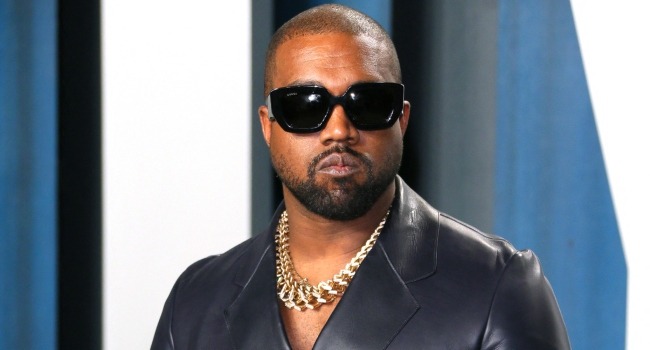
Kanye West Offers To Meet UK Jewish Community as the controversial US rapper seeks to repair his image following backlash over past antisemitic remarks and growing pressure surrounding his planned performances in London. The move comes amid intensified scrutiny from political leaders, advocacy groups, and corporate sponsors ahead of his scheduled appearance at the Wireless Festival in the UK capital.
The 48-year-old artist, now widely known as Ye, made the offer through a public statement, expressing a desire to engage directly with members of the British Jewish community. In an advert published in the Wall Street Journal titled “To Those I’ve Hurt,” West acknowledged the need to demonstrate genuine change beyond words.
“My only goal is to come to London and present a show of change, bringing unity, peace, and love through my music,” he said. “I would be grateful for the opportunity to meet with members of the Jewish community in the UK in person.” His remarks signal an attempt to rebuild trust after a series of controversial statements that previously sparked global condemnation.
The Kanye West Offers To Meet UK Jewish Community development follows a turbulent period for the rapper, whose comments have led to widespread criticism and strained relationships with brands, industry stakeholders, and fans. The situation escalated further after major sponsors such as Pepsi and Diageo withdrew their support for the Wireless Festival, where West is expected to headline multiple nights as part of his European comeback tour.
Despite his outreach, skepticism remains high among critics and community leaders. Phil Rosenberg, president of the Board of Deputies of British Jews, indicated that any potential meeting would depend on concrete actions. He emphasized that genuine remorse must be demonstrated before such engagement could be considered meaningful, suggesting that public performances may not be the appropriate platform to test sincerity.
The controversy has also drawn attention from the UK government. Prime Minister Keir Starmer described West’s scheduled performances as “deeply concerning,” citing the rapper’s previous remarks and actions. Government officials have faced increasing calls to deny West entry into the country, with campaign groups arguing that his presence may not align with the public interest.
Health Secretary Wes Streeting also weighed in, criticizing West’s previous attempts to attribute his behaviour to bipolar disorder. He described such justifications as inappropriate, reinforcing concerns about accountability and responsibility in public discourse. These responses highlight the broader societal implications of the issue, extending beyond entertainment into politics and public policy.
The Kanye West Offers To Meet UK Jewish Community story is further complicated by the rapper’s recent artistic choices. In 2025, he released a controversial track titled “Heil Hitler,” coinciding with the 80th anniversary of the defeat of Nazi Germany in World War II. The release reignited criticism and intensified debates over freedom of expression, artistic boundaries, and the responsibilities of influential figures.
West, however, has continued to express regret for his past actions, stating that he understands the need to demonstrate change through consistent behaviour. “I know words aren’t enough, I’ll have to show change through my actions. If you’re open, I’m here,” he said. This acknowledgment forms a central part of his current attempt to reposition himself both personally and professionally.
Meanwhile, discussions about his participation in the Wireless Festival continue. Tickets for the event have already gone on sale, but uncertainty remains over whether West will ultimately be allowed to perform. Reports suggest that UK authorities are reviewing his eligibility to enter the country, adding another layer of complexity to the situation.
The broader implications of the Kanye West Offers To Meet UK Jewish Community development extend to the music industry as a whole. It raises questions about how artists navigate controversy, rebuild public trust, and balance creative freedom with social responsibility. For festival organizers and sponsors, the situation underscores the risks associated with high-profile but polarizing performers.
As the situation evolves, all eyes remain on how West’s outreach efforts will be received and whether they will translate into meaningful dialogue. The outcome could shape not only his career trajectory but also broader conversations about accountability and reconciliation in the entertainment world.
Ultimately, while West’s offer represents a step toward engagement, its success will depend on the sincerity of his actions and the willingness of affected communities to respond. Whether this marks a genuine turning point or another chapter in an ongoing controversy remains to be seen