
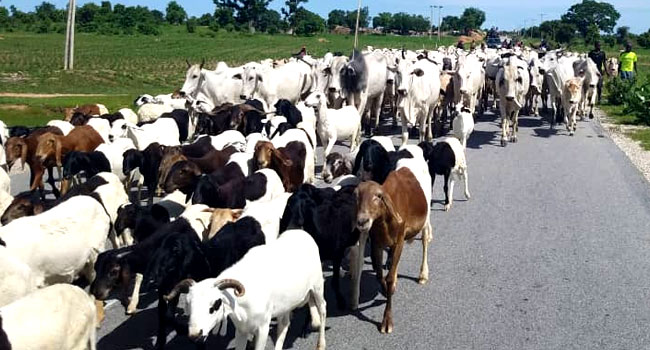
FG Raises Alarm Over Deadly Cattle Disease
FG raises alarm over deadly disease spreading rapidly across Nigeria, with Contagious Bovine Pleuropneumonia (CBPP) now confirmed in 17 states. The Minister of Livestock Development, Idi Mukhtar Maiha, delivered the warning during the recent inauguration of a specialized Technical Working Group in Abuja. With 131 outbreaks officially documented, the government is highlighting the catastrophic potential this respiratory illness holds for the nation’s agricultural economy and food security.
The Federal Government has officially sounded the whistle on a growing biological threat to the nation’s agricultural sector. Contagious Bovine Pleuropneumonia, commonly referred to as CBPP, has penetrated nearly half of the states in the federation, creating a high-stakes crisis for livestock owners and policymakers alike. During a high-level briefing in the capital, Minister Idi Mukhtar Maiha emphasized that the disease is not merely a localized issue but a systemic threat that could destabilize the livelihoods of millions who depend on cattle rearing.
CBPP is a highly infectious respiratory ailment caused by the bacterium Mycoplasma mycoides. It primarily targets cattle and water buffalo, leading to severe pneumonia and high fever. What makes this particular strain so terrifying for farmers is its mortality rate, which can reach as high as 50 percent in untreated or vulnerable herds. The disease is largely airborne, spreading when healthy animals inhale infected droplets from the breath of diseased livestock. Because of this ease of transmission, an entire herd can be decimated in a remarkably short period, leading to total economic ruin for the affected pastoralists.
In response to the 131 recorded outbreaks, the Ministry of Livestock Development has inaugurated a Technical Working Group tasked specifically with the elimination of CBPP. Minister Maiha noted that the current scale of the outbreak is a clear indicator of the severe economic impact already being felt across the 17 affected states. He warned that without immediate intervention, the infection could spread to previously unaffected regions, potentially crippling the domestic beef and dairy markets. The Minister’s address served as a call to action for strengthened surveillance and more rigorous rapid response protocols.
The newly formed technical group has been directed to craft a robust framework that prioritizes widespread vaccination and strict quarantine measures. One of the primary challenges in controlling CBPP in Nigeria is the frequent movement of livestock across state lines. The Federal Government is now considering tighter restrictions on animal transport to prevent the disease from hitchhiking into new territories. Minister Maiha stressed that while the situation is dire, the disease can be eradicated if the nation commits to a sustained, coordinated effort involving both state and federal authorities.
Beyond the immediate loss of animals, the economic losses associated with CBPP are multi-layered. Farmers face the direct cost of losing their capital, while the broader market suffers from reduced supply and potential price hikes for animal products. There is also the cost of implementing large-scale vaccination drives and the logistical burden of monitoring vast rural areas. The Minister urged the technical experts to look beyond short-term fixes and focus on a long-term strategy for total elimination, similar to successful global campaigns against other major livestock plagues.
The “FG raises alarm over deadly disease” message is also intended to reach humanitarian and international health organizations. CBPP remains endemic in several parts of Africa, and Nigeria’s current struggle is part of a larger continental challenge. By bringing this to the forefront of national discourse, the government hopes to attract the necessary technical and financial partnerships required to modernize the country’s veterinary infrastructure.
As the Technical Working Group begins its work, the Ministry is encouraging cattle rearers to be vigilant. Early detection is crucial in stopping a localized outbreak from becoming a state-wide disaster. Pastoralists are being advised to report any signs of respiratory distress or unusual mortality in their herds to the nearest veterinary station immediately. The Federal Government remains optimistic that through disciplined vaccination and improved biosecurity at the borders and farm gates, the tide can be turned against this deadly pathogen, securing the future of the livestock sector for years to come.
Source:
Based on the official statement by the Minister of Livestock Development, Idi Mukhtar Maiha, and reports from the technical inauguration in Abuja.